
Mary Magdalene in Provence: the history, the places, the tradition
How did the most famous of Jesus's disciples become the patron saint of Provence? Between ancient sources, a thousand-year-old tradition and places of memory still very much alive, here is the story of a figure who has fascinated for two thousand years.
Who was Mary Magdalene?
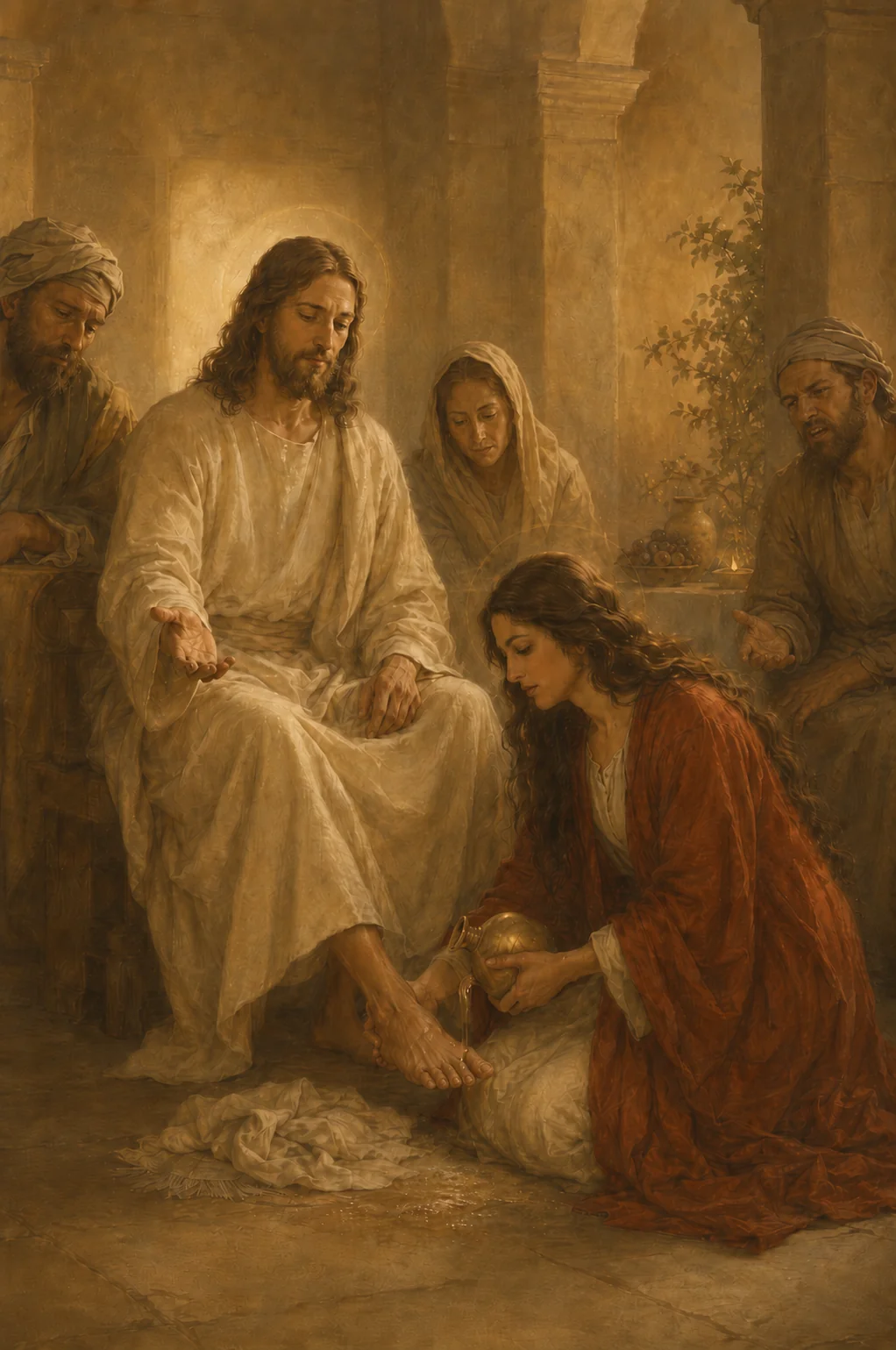
Mary of Magdala, known as Mary Magdalene, is one of the most present figures in the gospels. Born in Magdala on the shores of the Sea of Galilee, she appears in all four canonical gospels as a disciple of the first rank: she follows Jesus through Galilee, stands at the crucifixion when most of the apostles have fled, and above all, she is the first witness of the resurrection. It is to her that the risen Christ appears first, and it is she whom he charges with carrying the news to the apostles. That mission earned her, from the earliest centuries, the title of "apostle to the apostles".
For a long time the Western tradition merged three women of the gospels into a single figure: Mary of Magdala, Mary of Bethany (the sister of Martha and Lazarus) and the unnamed sinner who anoints the feet of Jesus. That merger, confirmed by Pope Gregory the Great in the sixth century, shaped the image of the saint in the West for close to fifteen hundred years. Scholars today distinguish the three figures, but it is very much the "composite" Magdalene, penitent and contemplative, that Provence took into its memory.
Beyond the canonical gospels, ancient texts known as apocryphal (which means "hidden"), such as the Gospel of Mary recovered in Egypt in the late nineteenth century, testify to the singular place Mary Magdalene held in certain early Christian communities: an eminent disciple, very close to Jesus, described as having received particular teaching from him. These texts, their history and the debates they raise are part of the story we tell.
The Provençal tradition: the landing of the Saints
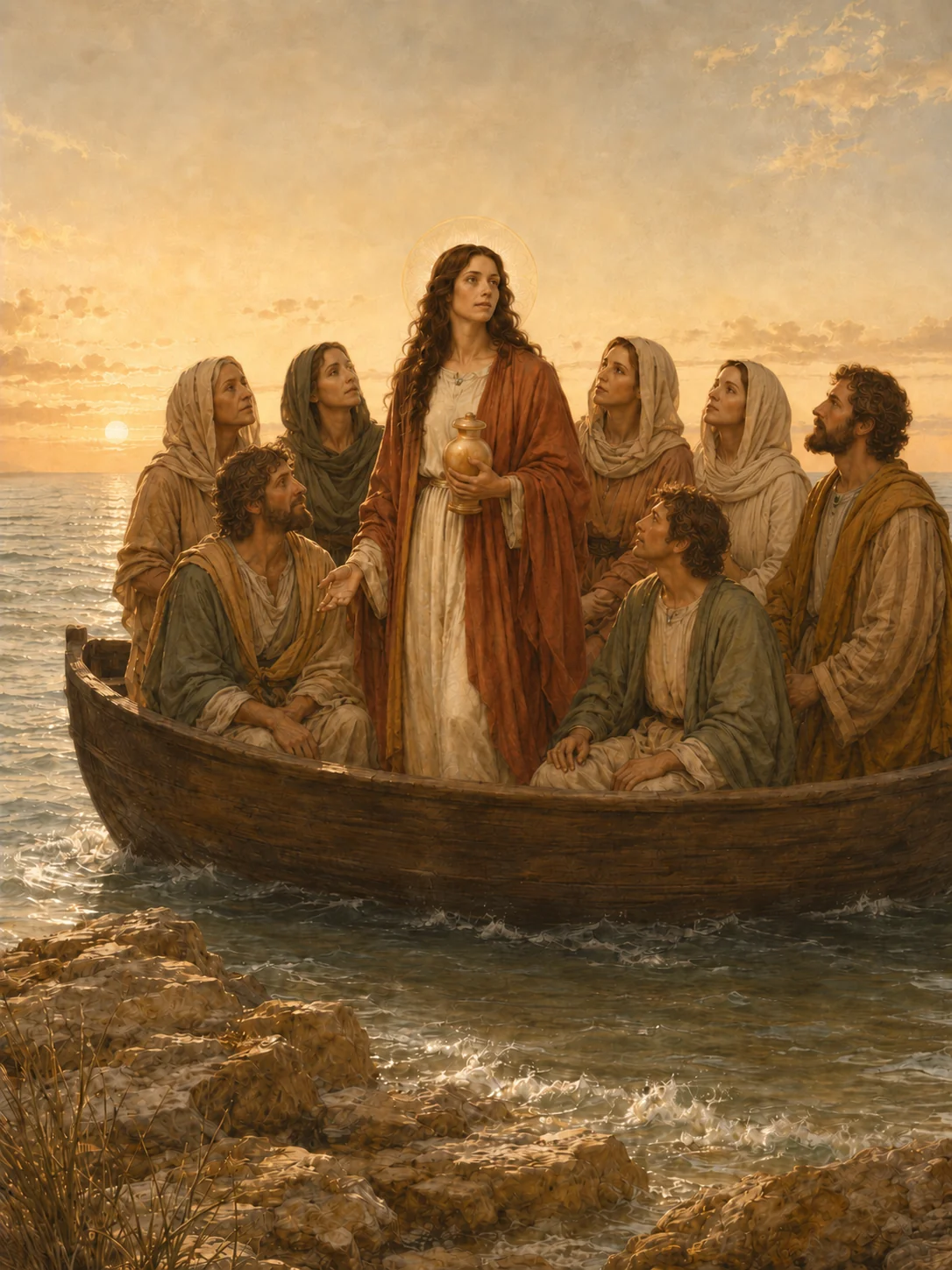
Provençal tradition tells that after the death of Jesus, during the persecutions that struck the first community in Jerusalem, Mary Magdalene was forced aboard a boat with neither sail nor oars, together with several companions: her sister Martha, her brother Lazarus, Maximinus, Mary Jacobe, Mary Salome, and their servant Sarah.
Guided by providence, the boat crosses the Mediterranean and runs aground on the Camargue shore, at the spot where the village of Saintes-Maries-de-la-Mer stands today. Its fortified church holds the relics of Mary Jacobe and Mary Salome, and its crypt shelters Sarah, who became the venerated patron of the Roma people, honoured every year in one of the most singular pilgrimages in Europe.
The account is attested by medieval texts, among them the celebrated Golden Legend of Jacobus de Voragine in the thirteenth century, and it is probably rooted in far older oral traditions. Whatever reading one takes of it, historical, symbolic or spiritual, this story shaped the land: it determined where churches, sanctuaries and pilgrimages were established, and those still structure Provence today.
The evangelisation of Provence
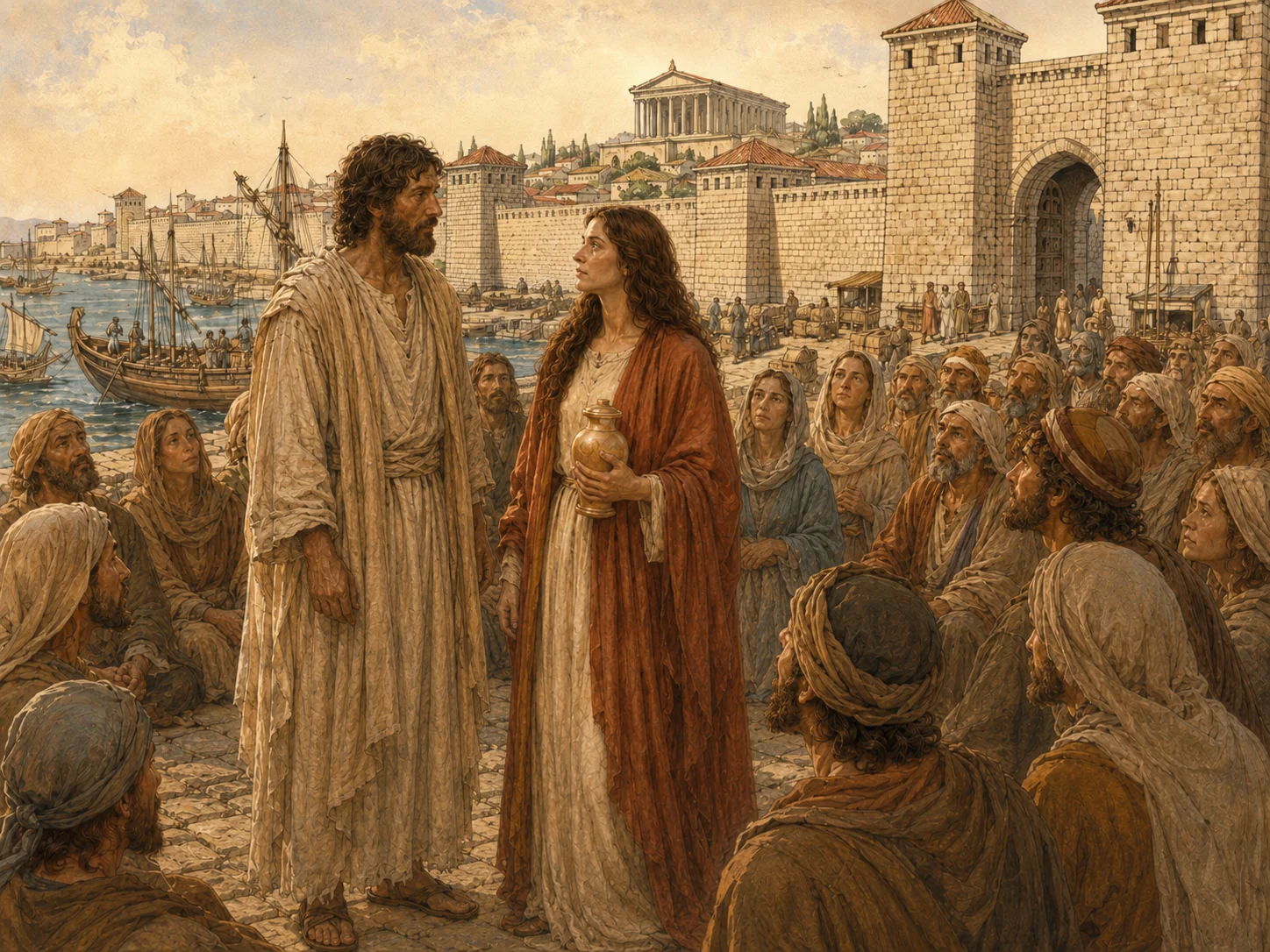
From the Camargue shore, the companions scatter to preach the gospel. Martha travels up the Rhône to Tarascon, where tradition credits her with the victory over the Tarasque, the monster of the river. The collegiate church of Sainte-Marthe in Tarascon holds her tomb. Lazarus becomes, according to tradition, the first bishop of Marseille. Maximinus heads inland, towards the town that will bear his name.
Mary Magdalene, for her part, preaches in Marseille alongside her brother Lazarus. The oldest city in France, founded by the Greeks six centuries before our era, was then a great Mediterranean port, cosmopolitan and open to the world. Tradition has them preaching together before the people of the city, laying the foundations of one of the oldest Christian communities in Gaul.
Marseille keeps the memory of those origins: the abbey of Saint-Victor, founded in the fifth century on an early Christian necropolis, its crypts among the oldest Christian remains in France, and the living tradition of Candlemas, when navettes, those boat-shaped biscuits, recall the arrival of the Saints every 2 February.
The Sainte-Baume: thirty years of retreat
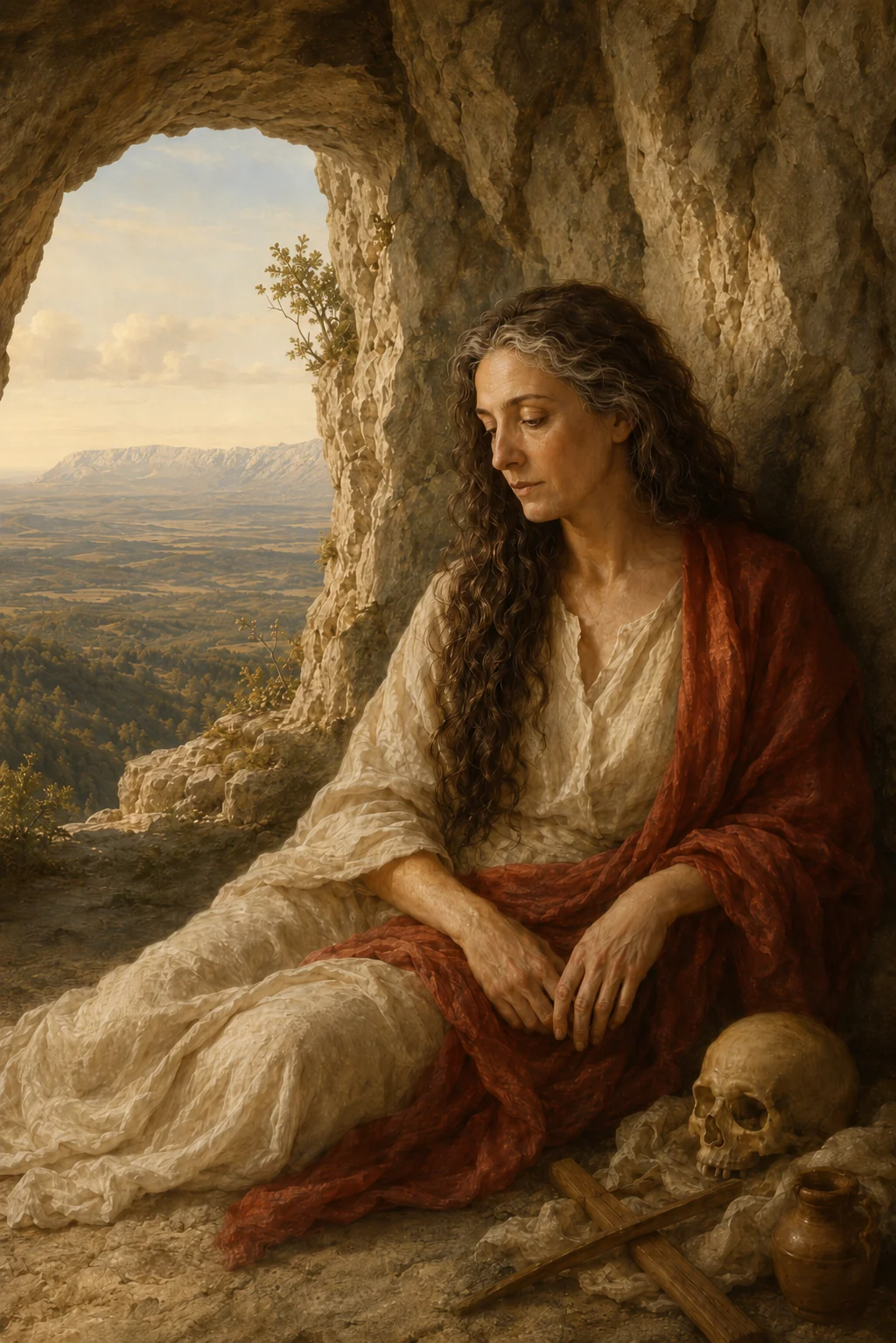
After her years of preaching, tradition tells that Mary Magdalene withdrew from the world. She reached a forested massif east of Aix, whose cool, damp woodland of giant beeches was already held sacred by the Gauls and the Romans, who cut no timber there. Today it is called the Sainte-Baume, from the Provençal baumo, meaning cave.
It is in a cave opening into the cliff face, at nine hundred metres above sea level, that Mary Magdalene is said to have spent the last thirty years of her life, in contemplation and prayer. Tradition holds that seven times a day the angels lifted her to the summit of the cliff, at the place called Saint-Pilon, to hear the songs of heaven.
The cave, turned into a sanctuary as early as the fifth century, has been kept by Dominican friars since 1295. It is reached on foot along the forest paths, in around an hour and a half of climbing (reasonable fitness is required). Popes, kings of France from Saint Louis to Francis I and Louis XIV, and millions of pilgrims and visitors have made the ascent before us. The arrival at the cave, carved into the cliff and facing an immense panorama, remains one of the most striking moments Provence has to offer.
The tomb at Saint-Maximin
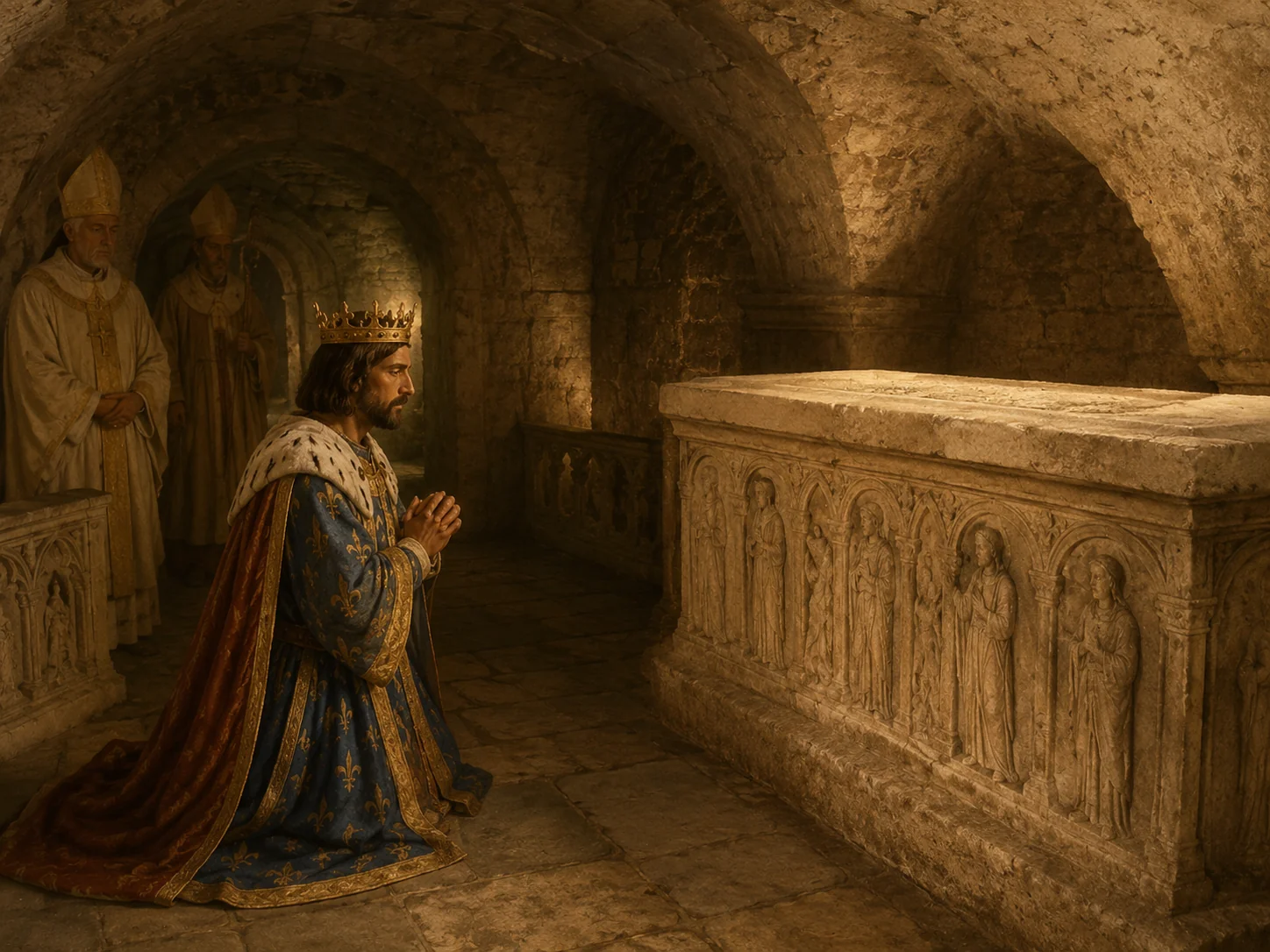
Feeling her end approaching, Mary Magdalene is said to have come down from the cave to receive communion from the hands of Maximinus, on the plain nearby. It is there, in the town that today bears the name Saint-Maximin-la-Sainte-Baume, that tradition places her tomb.
In 1279, Charles II of Anjou, Prince of Salerno and future Count of Provence, ordered excavations in the crypt of the church of Saint-Maximin. A fourth-century marble sarcophagus was uncovered, containing relics identified as those of Mary Magdalene. To house them, Charles II launched the construction of the basilica of Sainte-Marie-Madeleine, the largest Gothic building in Provence, a project that would span two centuries.
The crypt today holds the ancient sarcophagus and the reliquary containing the skull of Saint Mary Magdalene. Tradition regards the site as the third tomb of Christendom, after the Holy Sepulchre in Jerusalem and Saint Peter's basilica in Rome. The basilica, a listed historic monument, is also home to one of the most celebrated organs in France, spared during the Revolution, it is said, because the Marseillaise was played on it.
A cult across the centuries
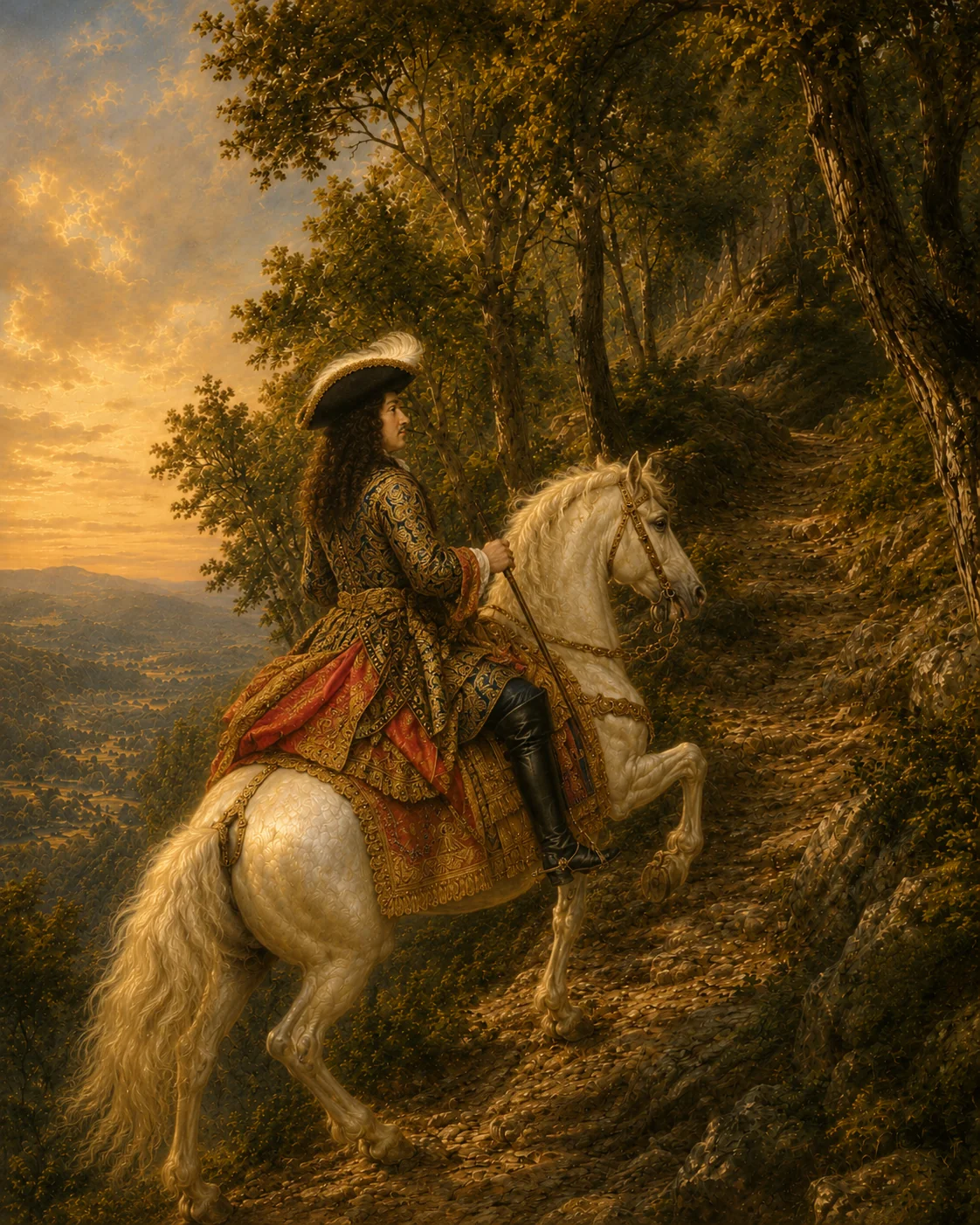
From the Middle Ages to the present day, the figure of Mary Magdalene has never ceased to shine. Vézelay, in Burgundy, dedicates to her one of the greatest Romanesque basilicas in Europe, the starting point of one of the routes to Compostela. The kings of France climbed to the Sainte-Baume, from Saint Louis to Louis XIV. Painters made her one of the great subjects of Western art: Giotto, Donatello, Titian, Caravaggio, Georges de La Tour, whose penitent Magdalenes rank among the absolute masterpieces of French painting.
Closer to our own time, the figure of Mary Magdalene is enjoying a remarkable revival: ancient texts rediscovered, academic work, novels, films and documentaries. In 2016, Pope Francis raised her liturgical memorial to the rank of feast, on a par with that of the apostles. Every 22 July, her feast day draws pilgrims, the curious and lovers of heritage across Provence.
The Way of the Saints of Provence
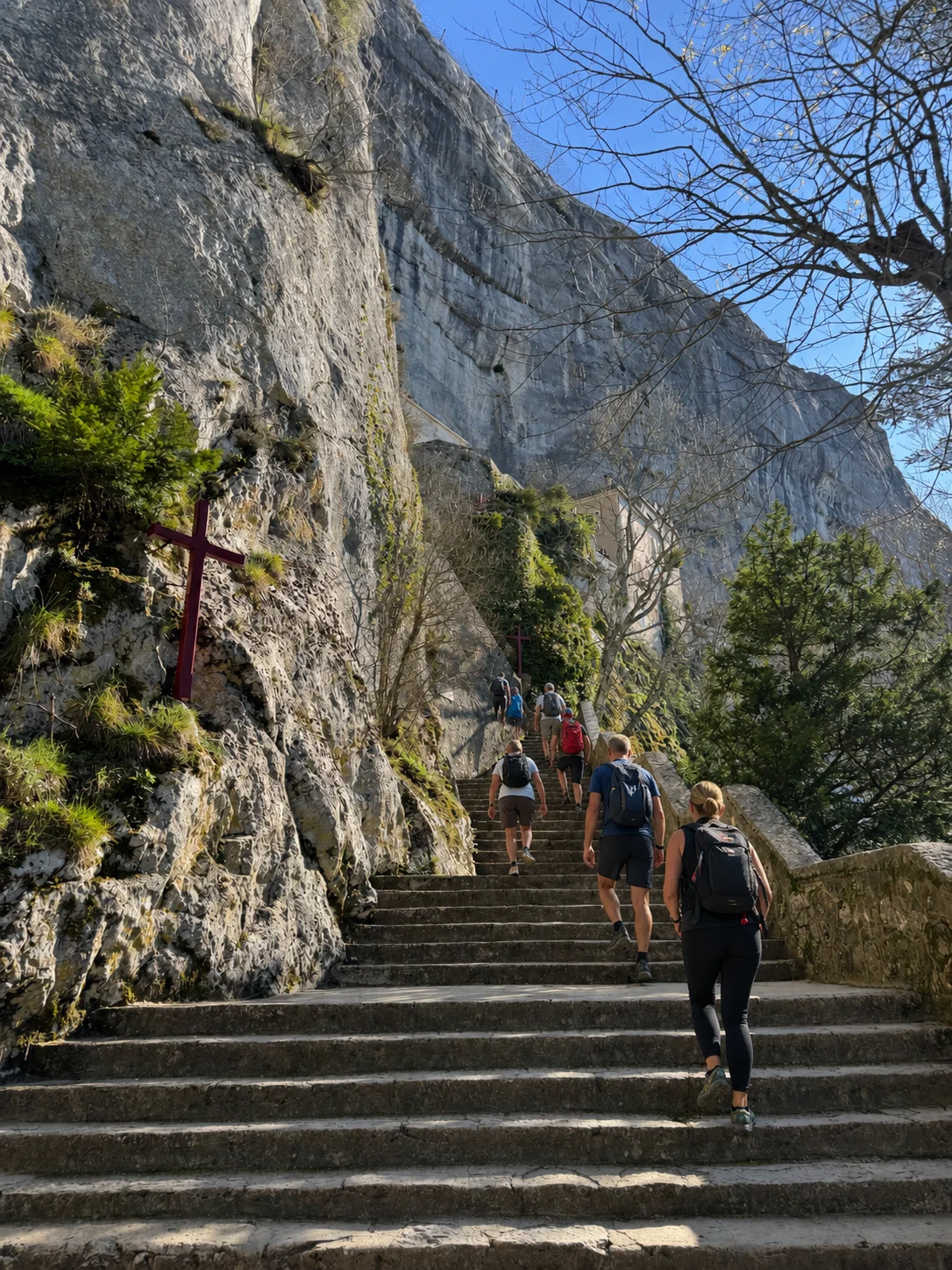
In recent years an official route has connected the major sites of this tradition: the Way of the Saints of Provence. Two hundred and twenty-two kilometres in ten stages, from Saintes-Maries-de-la-Mer to Saint-Maximin by way of the Sainte-Baume, waymarked and recognised by the French Hiking Federation, supported by the Région Sud and carried by a dedicated association.
This route confirms what Provence has always known: the land of Mary Magdalene is not a backdrop, it is an itinerary. A thread linking the sea, the river, the cities of art and the sacred mountain. That thread is the one our journeys follow, in comfort and with the story added.
Want to go further? Download our white paper "Mary Magdalene in Provence" and understand everything before you set off.
Download for freeFrequently asked questions
According to Provençal tradition, the tomb of Mary Magdalene lies in the crypt of the basilica of Sainte-Marie-Madeleine, in Saint-Maximin-la-Sainte-Baume, in the Var. A fourth-century sarcophagus and a reliquary are kept there and can be seen all year round.